
 Wishlist

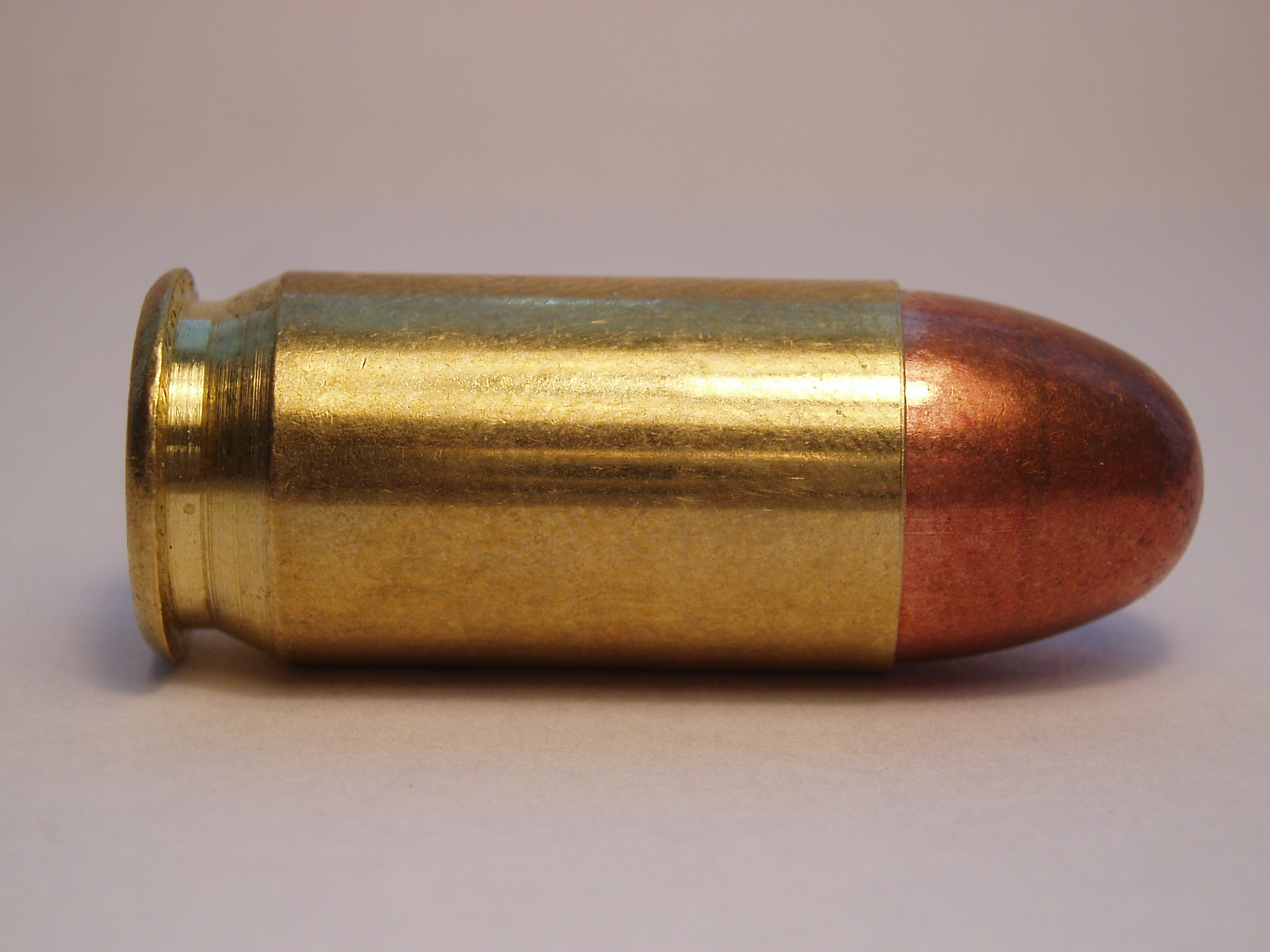
The .45 ACP has been around for more than a century, yet it remains one of the most recognizable handgun cartridges in America. Its reputation was built around a simple idea: a large, heavy bullet traveling at moderate velocity. While modern handgun ammunition has changed considerably since the cartridge first appeared, the .45 ACP still attracts shooters who appreciate its distinctive recoil, traditional 230-grain loads, and proven versatility at the range.
But how much power does the .45 ACP actually carry once the bullet leaves the barrel? At 25 yards, the numbers can look impressive for a relatively slow handgun cartridge. At 50 yards, velocity and energy begin to tell a more interesting story. Stretch the distance to 100 yards, and bullet drop becomes impossible to ignore, even though the projectile may retain a surprisingly large percentage of its original energy.
Understanding .45 ACP ballistics means looking beyond the muzzle velocity printed on a box of ammunition. Bullet weight, construction, barrel length, and distance all influence performance. A lightweight 185-grain hollow point can behave very differently from a traditional 230-grain full metal jacket, even when both are fired from the same handgun.
This guide examines what happens to .45 ACP ammunition at different distances, how common bullet weights compare, and what ballistic data can and cannot tell you about practical handgun performance.
Quick Answer: How Far Does .45 ACP Retain Its Power?
The .45 ACP retains a substantial portion of its muzzle energy at 100 yards, but that does not make it a long-range handgun cartridge. Its relatively low velocity produces a pronounced trajectory, and accurately placing shots becomes increasingly challenging as distance increases. For most shooters, 25 yards is a familiar handgun practice distance, 50 yards offers a meaningful accuracy challenge, and 100 yards is better treated as a specialized target-shooting exercise.
Consider a representative 230-grain Speer Gold Dot load with a published muzzle velocity of 890 feet per second and muzzle energy of 405 foot-pounds. Its calculated downrange figures show that it still carries approximately 333 foot-pounds at 100 yards, retaining about 82% of its original kinetic energy. However, the same ballistic reference shows a trajectory roughly 12 inches below the line of sight at 100 yards when zeroed at 50 yards. The bullet still has considerable energy, but its path makes precise shooting more demanding.
That distinction is central to understanding .45 ACP ballistics. A bullet can retain energy without being easy to place accurately, and a cartridge's effective range cannot be determined by muzzle energy alone. Shooter ability, firearm accuracy, sighting setup, and intended application all matter.
Understanding .45 ACP Velocity, Energy, and Bullet Drop
The .45 ACP is a relatively low-velocity handgun cartridge, especially when compared with high-speed magnum revolver rounds or centerfire rifle ammunition. Traditional 230-grain factory loads commonly leave a full-size pistol at approximately 830 to 900 feet per second, depending on the ammunition. Lighter bullets can travel faster, with some 185-grain loads reaching approximately 1,000 to 1,100 feet per second. Those figures are useful starting points, but they are not universal specifications. Two manufacturers can load the same bullet weight to noticeably different velocities.
Velocity is only one part of the ballistic picture. Muzzle energy combines bullet mass and velocity into a single measurement expressed in foot-pounds. Because velocity is squared in the energy calculation, a faster, lighter bullet can sometimes generate more muzzle energy than a slower, heavier one. That is why comparing bullet weights without considering the specific ammunition can be misleading. A 185-grain load may produce greater muzzle energy than a 230-grain load, while another 185-grain product may produce less.
Bullet drop is equally important, particularly when discussing performance beyond normal handgun distances. Once a bullet exits the barrel, gravity continuously pulls it downward. The slower the bullet travels, the more time gravity has to affect its flight over a given distance. This is one reason the .45 ACP develops a much more curved trajectory than faster cartridges. The bullet's actual position relative to the sights also depends on how the firearm is zeroed, so a trajectory figure without a stated sight-in distance can be misleading.
None of these measurements should be confused with a complete description of terminal performance. Kinetic energy does not directly measure expansion, penetration, or the effectiveness of a particular bullet design. Ballistics charts are most valuable when they help explain how ammunition behaves in flight and allow meaningful comparisons between specific loads.
.45 ACP Ballistics at 25, 50, 75, and 100 Yards
To understand what happens as distance increases, it helps to follow one identifiable factory load instead of mixing numbers from unrelated ammunition. The following figures are published ballistic calculations for Speer Gold Dot 230-grain JHP, using a five-inch reference barrel and a 50-yard zero.
Muzzle: 890 fps | 405 ft-lbs
25 yards: 867 fps | 384 ft-lbs
50 yards: 846 fps | 366 ft-lbs
75 yards: 826 fps | 348 ft-lbs
100 yards: 807 fps | 333 ft-lbs
These figures illustrate something that surprises many shooters: the .45 ACP does not necessarily lose most of its energy within the first 100 yards. In this example, velocity decreases by 83 feet per second between the muzzle and 100 yards, while energy falls from 405 to 333 foot-pounds. The projectile remains relatively slow throughout its flight, but its velocity loss over this distance is gradual.
At 25 yards, the bullet has retained approximately 95% of its muzzle energy. This is one reason ammunition performance at common handgun target distances remains relatively close to the numbers printed on the box, assuming similar barrel lengths and test conditions. For shooters working on fundamentals such as sight alignment, trigger control, and consistency, ammunition accuracy and firearm reliability generally matter more than small differences in calculated energy.
At 50 yards, the same load still carries 366 foot-pounds of energy, approximately 90% of its muzzle value. However, the additional distance exposes inconsistencies in technique that may be difficult to notice at shorter ranges. Small aiming errors translate into larger misses, and the shooter must understand the firearm's point of impact rather than assuming that the bullet will strike exactly where the sights are held.
At 75 yards, trajectory becomes a more significant consideration. The reference load is calculated to strike approximately 4.4 inches below the line of sight with the specified 50-yard zero. That amount of drop is manageable for carefully planned target shooting, but it demonstrates how quickly the cartridge's trajectory begins to matter once distances extend beyond typical pistol practice.
At 100 yards, the load retains 333 foot-pounds, yet its calculated trajectory is approximately 11.9 inches below the line of sight under the same sighting assumptions. That does not mean every .45 ACP handgun will print a group exactly 11.9 inches low at this distance. Different ammunition, barrel lengths, sight heights, and zeros change the result. It does show why energy retention and practical accuracy are two separate questions.
The takeaway is that .45 ACP ammunition can retain much of its original kinetic energy at 100 yards, but its increasingly curved trajectory and the limitations of handgun sights make long-distance shooting more challenging. The cartridge is capable of reaching well beyond 100 yards; that should never be mistaken for a guarantee of accuracy or effectiveness at those distances.
185 vs 200 vs 230 Grain: How Bullet Weight Changes .45 ACP Ballistics
Bullet weight is one of the most common questions surrounding .45 ACP ammunition. The traditional 230-grain load is closely associated with the cartridge, but lighter 185- and 200-grain options have been available for decades. Each weight can offer different characteristics, although the actual result depends heavily on the manufacturer's load design.
185-Grain .45 ACP: Higher Velocity and a Flatter Trajectory
A 185-grain .45 ACP bullet is substantially lighter than the traditional 230-grain projectile, allowing manufacturers to produce higher velocities within the cartridge's operating limits. A representative Speer Gold Dot 185-grain load is listed at 1,050 feet per second with approximately 453 foot-pounds of muzzle energy. That is faster and produces more calculated muzzle energy than the 230-grain Gold Dot example discussed earlier.
The velocity advantage can also reduce bullet drop at longer distances. In the published ballistic calculations for these two specific Gold Dot loads, the 185-grain version is approximately 9.3 inches below the line of sight at 100 yards with a 50-yard zero, compared with approximately 11.9 inches for the 230-grain version. A difference of a few inches may not matter much at 15 yards, but it becomes more noticeable when shooting at smaller targets farther downrange.
Lighter bullets are not automatically more accurate, however. Some pistols group exceptionally well with 185-grain ammunition, while others perform better with heavier projectiles. Recoil can also feel different because bullet weight, powder charge, slide movement, and overall ammunition design affect the shooting experience. The faster load may have a different recoil impulse, but it should not be assumed to produce less felt recoil simply because the bullet weighs less.
200-Grain .45 ACP: The Middle Ground
The 200-grain bullet occupies an interesting position between the speed-oriented 185-grain loads and the traditional 230-grain offerings. It can provide moderate-to-high velocity while retaining more bullet mass than a 185-grain projectile. Some shooters appreciate this balance, particularly when experimenting with different loads for range accuracy.
One important detail is that 200-grain ammunition varies considerably. A standard-pressure 200-grain target load may be relatively mild, while a 200-grain +P hollow point can be considerably faster. For example, published calculations for a Buffalo Bore 200-grain +P JHP show a muzzle velocity of 1,078 feet per second and 516 foot-pounds of energy. That figure should not be treated as typical of every 200-grain .45 ACP load, because it represents a specific higher-pressure product.
The practical lesson is that bullet weight alone cannot predict performance. A 200-grain bullet may be a useful middle-ground option, but comparing two actual products is more informative than comparing grain numbers in isolation. For target shooting, consistency and how well a load groups in a particular firearm may matter more than a small advantage in muzzle velocity.
230-Grain .45 ACP: The Traditional Heavyweight
The 230-grain bullet remains the classic .45 ACP choice. Its combination of substantial bullet mass and moderate velocity is closely tied to the cartridge's original design, and it continues to appear in a wide range of full metal jacket and hollow-point factory loads. Many standard-pressure 230-grain offerings are subsonic under ordinary conditions, which is another characteristic associated with the cartridge.
A typical 230-grain range load produces less muzzle velocity than many 185-grain products, but it does not necessarily lose energy dramatically as it travels downrange. The Speer Gold Dot example retains approximately 82% of its muzzle energy at 100 yards. Other 230-grain loads will produce different figures depending on velocity, bullet shape, and ballistic coefficient.
The heavier projectile does have a more pronounced trajectory in many common comparisons, although differences in bullet design and initial velocity can change the outcome. Shooters who use 230-grain ammunition for practice often value its widespread availability and the ability to train with a bullet weight similar to many traditional .45 ACP loads. Still, there is no single bullet weight that guarantees the best accuracy, reliability, or terminal behavior in every pistol.
When comparing 185, 200, and 230 grains, the most useful question is not which weight is universally superior. It is which specific ammunition performs consistently in the intended firearm and suits the type of shooting being done.
How Much Does Barrel Length Affect .45 ACP Ballistics?
Barrel length can change .45 ACP velocity enough to make published ammunition specifications misleading when applied to a different handgun. Many traditional factory figures are associated with five-inch test barrels, while compact carry pistols may have barrels closer to three or four inches. A shorter barrel generally gives the propellant gases less time to accelerate the bullet before it exits, although the size of the velocity change depends on the ammunition.
A published chronograph comparison by Bob Campbell for The Shooter's Log illustrates this with Speer 230-grain Gold Dot ammunition. The author recorded 770 feet per second from a 3.5-inch barrel, 809 feet per second from a 4.25-inch barrel, and 855 feet per second from a five-inch barrel. That is an 85-fps difference between the shortest and longest barrels in those particular test firearms.
The difference matters because velocity influences both calculated energy and downrange trajectory. The same bullet leaving a compact pistol at 770 feet per second starts with less kinetic energy than it does at 855 feet per second. If the bullet is designed to expand within a certain impact-velocity range, a reduction in speed may also influence its behavior after impact. However, expansion depends on construction and testing conditions, not simply on whether the bullet exceeds a single universal velocity threshold.
Additional testing by GB Guns Depot compared 185-, 200-, and 230-grain SIG ammunition in firearms with 3.8-, 5-, and 6.5-inch barrels. The results demonstrated that barrel length and ammunition selection can interact in meaningful ways. Importantly, the author also identified limitations in the test, including five-shot samples, different firearms, and the fact that the ammunition represented only one manufacturer. Those qualifications matter because a small chronograph experiment should not be turned into a universal rule about all .45 ACP ammunition.
For practical purposes, shooters should treat published muzzle velocities as reference values rather than guaranteed results from their own handgun. A five-inch 1911, a compact .45 ACP pistol, and a pistol-caliber carbine may all produce different numbers with the same ammunition. The only reliable way to measure a particular firearm's actual muzzle velocity is with properly conducted chronograph testing.
.45 ACP FMJ vs JHP: Why Bullet Construction Matters
Bullet weight and kinetic energy are useful measurements, but they do not describe everything that happens when a projectile strikes a material. This is especially important when comparing full metal jacket ammunition with jacketed hollow-point ammunition. Two .45 ACP bullets can have similar muzzle energy yet behave differently because their construction is designed for different purposes.
Full metal jacket ammunition generally has a lead core enclosed by a metal jacket and is not designed to expand significantly on impact. It is commonly used for range practice because it is widely available and often less expensive than specialized hollow-point ammunition. Jacketed hollow points have a cavity in the nose intended to encourage expansion under appropriate impact conditions, although the amount of expansion varies by bullet design, velocity, and the material encountered.
A demonstration published by Ammunition To Go illustrates the distinction. In its synthetic ballistic-gelatin comparison, a Blazer Brass .45 ACP FMJ projectile traveled through an entire 16-inch block and exited, while a Hornady .45 ACP JHP expanded and remained inside the block. That is an example of how construction can affect penetration and expansion, but it is not proof that every FMJ will over penetrate or that every JHP will expand reliably. Synthetic gelatin tests also should not be treated as directly interchangeable with standardized calibrated ordnance gelatin testing.
This distinction becomes even more relevant when discussing distance. As a bullet slows down, its behavior on impact may change. A hollow point designed to expand reliably at higher impact velocities may not behave the same way after losing speed, particularly when fired from a shorter barrel. Conversely, a bullet that retains considerable kinetic energy does not necessarily transfer that energy in a predictable manner.
That is why a .45 ACP ballistics chart should be read as a description of flight characteristics, not a complete assessment of terminal performance. Velocity and energy explain how the bullet travels; bullet construction and properly documented testing provide additional information about how it may behave on impact.
Choosing .45 ACP Ammo: What Matters Beyond the Ballistics Chart?
For most shooters, ammunition selection begins with the intended use. At the range, consistent performance, reliable cycling, accuracy, and reasonable cost are usually more useful considerations than chasing the highest possible muzzle energy. Standard 230-grain FMJ remains a familiar option for general practice, but 185- and 200-grain loads can also be worth evaluating if a particular handgun shoots them accurately and reliably.
Shooters comparing different bullet weights should pay attention to the specific product rather than assuming all ammunition of the same weight behaves alike. A 185-grain target load, a 185-grain jacketed hollow point, and a 185-grain +P load can have different velocities and recoil characteristics. Likewise, two 230-grain products may differ in construction, consistency, and how they perform in a compact pistol.
Higher-pressure +P ammunition deserves special attention. It is not simply another name for a heavier or faster bullet, and it should never be assumed compatible with every firearm chambered in .45 ACP. Always check the firearm manufacturer's instructions before using +P ammunition, and never use ammunition that exceeds the firearm's specified compatibility.
Reliability also matters more than small differences on a ballistics chart. Ammunition that does not feed or function consistently in a particular handgun is a poor match regardless of its advertised velocity. For shooters who want to evaluate different products, structured practice with a qualified instructor can help separate ammunition differences from technique-related inconsistencies.
When comparing current ammunition options, availability and cost per round are also worth considering. Shooters can use AmmoBrowser to compare .45 ACP ammunition prices and find available loads from online retailers.
Final Thoughts: How Far Does .45 ACP Really Carry Its Power?
The .45 ACP retains more energy at 100 yards than some shooters might expect, but the answer to its effective-range question is more complicated than a single distance or foot-pound figure. A representative 230-grain Gold Dot load retains approximately 82% of its muzzle energy at 100 yards, yet its trajectory has dropped substantially relative to the line of sight. That combination explains both the cartridge's staying power and its limitations as distances increase.
At 25 yards, .45 ACP ballistics remain relatively close to muzzle specifications, making it a familiar distance for handgun practice. At 50 yards, accuracy and point-of-impact consistency become increasingly important. At 100 yards, careful sighting and a solid understanding of trajectory are essential for meaningful target shooting. The bullet can travel much farther, but maximum travel distance is not the same thing as practical effective range.
Bullet weight adds another layer to the discussion. Lighter 185-grain ammunition often provides higher velocity and a somewhat flatter trajectory, 200-grain loads offer a range of intermediate characteristics, and traditional 230-grain ammunition continues to deliver the heavy-bullet performance for which the cartridge is known. Barrel length and bullet construction can change the outcome just as much as the grain number printed on the box.
Ultimately, the .45 ACP remains a capable and interesting handgun cartridge precisely because its performance is not defined by speed alone. Understanding its ballistics means recognizing what it retains downrange, where its trajectory becomes challenging, and why the right ammunition is the one that performs consistently and safely in the firearm being used.
Ballistic figures are manufacturer-published data or calculated estimates for specific loads and test conditions. Actual results may vary with firearm, barrel length, ammunition lot, atmospheric conditions, and sighting setup. This article is intended for general educational purposes and is not a substitute for manufacturer instructions, safe firearm handling, or professional firearms training. Always follow applicable laws and established range safety practices.